
How to Survive the Winter Blues: Learning to “Winter” Between January and March in the Kansas City Metro
The stretch of time between New Year’s Day and March can feel especially long in the Kansas City Metro.
The holiday lights come down. The celebrations end. And what’s left behind are cold temperatures, gray skies, and shorter days that seem to blur together. For many people, this part of winter brings low energy, sadness, isolation, and a noticeable dip in motivation.
If you find yourself feeling more tired, emotional, or unmotivated during these winter months, you’re not alone. Many people experience winter blues or seasonal affective disorder (SAD) during this time of year—and it doesn’t mean anything is wrong with you.
Instead of fighting this season, there’s another approach that can be deeply healing: learning how to winter.
Why January Through March Can Feel So Hard on Mental Health
Winter in the Kansas City area often means limited sunlight, colder weather, and fewer opportunities for social connection. These factors can directly impact mental health, especially for people who already struggle with anxiety, depression, or chronic stress.
Common experiences during winter months include:
- Low mood or sadness
- Increased anxiety or irritability
- Fatigue and lack of motivation
- Feelings of loneliness or isolation
- Difficulty concentrating
- A sense of emotional heaviness after the holidays
This is not weakness. This is biology, nervous system response, and seasonal change.
What Does It Mean to “Winter”?
To “winter” means honoring the natural rhythm of the season instead of pushing yourself to perform as if it were spring.
In nature, winter is a time of rest, conservation, and quiet preparation. Trees shed their leaves. Animals slow down. Growth pauses—not because it’s gone forever, but because rest is required before renewal.
Humans are no different, yet we often pressure ourselves to stay productive, upbeat, and constantly improving—especially at the start of a new year.
Wintering invites us to slow down, turn inward, and focus on emotional care rather than constant output.
Mental Health-Friendly Ways to Winter Well
Here are gentle, therapist-approved ways to support your mental health during the winter months:
- Reduce Overstimulation and Overcommitment
Winter is not the season to overbook your calendar. Fewer social obligations and quieter weekends can help regulate your nervous system and prevent burnout.
- Create Comfort and Warmth at Home
Candles, warm blankets, herbal tea, and nourishing meals aren’t indulgences—they are grounding tools. Sensory comfort plays a powerful role in managing anxiety and depression.
- Let Go of Unrealistic New Year Pressure
You don’t need to reinvent your life in January. This season is better suited for reflection and intention-setting rather than major changes. Progress can be quiet.
- Get Outside for Natural Light
Even short exposure to daylight can help improve mood and energy levels. A brief walk during daylight hours—when weather allows—can be beneficial for seasonal depression.
- Turn Inward With Support
Winter is an ideal time for therapy, journaling, reading, and self-reflection. Many people seek therapy for seasonal depression, anxiety, and emotional exhaustion during this time—and it can be incredibly effective.
- Normalize Rest Without Guilt
Feeling more tired in winter is normal. Rest is not laziness—it’s a biological response. Giving yourself permission to slow down is an important act of self-care.
When Winter Feels Like More Than the Blues
If winter sadness feels overwhelming, persistent, or begins to interfere with daily functioning, it may be a sign of seasonal affective disorder (SAD) or depression. Working with a mental health therapist can help you develop coping strategies, regulate your nervous system, and feel less alone during this season.
Therapy during the winter months can offer:
- Emotional support and grounding
- Tools for managing seasonal depression
- Help with anxiety, stress, and burnout
- Space to process grief, loss, or life transitions
Trusting the Quiet Season
The months between New Year and March are not meant to be loud or productive. They are meant to be slower, softer, and more introspective.
Winter teaches us that rest has purpose, that stillness is not failure, and that growth often happens beneath the surface—long before we see the results.
Spring will come.
Energy will return.
For now, you are allowed to winter.
If you’re in the Kansas City Metro or Overland Park area and struggling with winter blues, anxiety, or depression, support is available. You don’t have to carry this season alone.


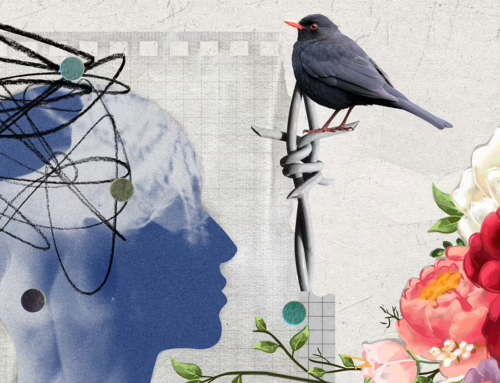
How to Survive the Winter Blues: Learning to “Winter” Between January and March in the Kansas City Metro
The stretch of time between New Year’s Day and March can feel especially long in the Kansas City Metro.
The holiday lights come down. The celebrations end. And what’s left behind are cold temperatures, gray skies, and shorter days that seem to blur together. For many people, this part of winter brings low energy, sadness, isolation, and a noticeable dip in motivation.
If you find yourself feeling more tired, emotional, or unmotivated during these winter months, you’re not alone. Many people experience winter blues or seasonal affective disorder (SAD) during this time of year—and it doesn’t mean anything is wrong with you.
Instead of fighting this season, there’s another approach that can be deeply healing: learning how to winter.
Why January Through March Can Feel So Hard on Mental Health
Winter in the Kansas City area often means limited sunlight, colder weather, and fewer opportunities for social connection. These factors can directly impact mental health, especially for people who already struggle with anxiety, depression, or chronic stress.
Common experiences during winter months include:
- Low mood or sadness
- Increased anxiety or irritability
- Fatigue and lack of motivation
- Feelings of loneliness or isolation
- Difficulty concentrating
- A sense of emotional heaviness after the holidays
This is not weakness. This is biology, nervous system response, and seasonal change.
What Does It Mean to “Winter”?
To “winter” means honoring the natural rhythm of the season instead of pushing yourself to perform as if it were spring.
In nature, winter is a time of rest, conservation, and quiet preparation. Trees shed their leaves. Animals slow down. Growth pauses—not because it’s gone forever, but because rest is required before renewal.
Humans are no different, yet we often pressure ourselves to stay productive, upbeat, and constantly improving—especially at the start of a new year.
Wintering invites us to slow down, turn inward, and focus on emotional care rather than constant output.
Mental Health-Friendly Ways to Winter Well
Here are gentle, therapist-approved ways to support your mental health during the winter months:
- Reduce Overstimulation and Overcommitment
Winter is not the season to overbook your calendar. Fewer social obligations and quieter weekends can help regulate your nervous system and prevent burnout.
- Create Comfort and Warmth at Home
Candles, warm blankets, herbal tea, and nourishing meals aren’t indulgences—they are grounding tools. Sensory comfort plays a powerful role in managing anxiety and depression.
- Let Go of Unrealistic New Year Pressure
You don’t need to reinvent your life in January. This season is better suited for reflection and intention-setting rather than major changes. Progress can be quiet.
- Get Outside for Natural Light
Even short exposure to daylight can help improve mood and energy levels. A brief walk during daylight hours—when weather allows—can be beneficial for seasonal depression.
- Turn Inward With Support
Winter is an ideal time for therapy, journaling, reading, and self-reflection. Many people seek therapy for seasonal depression, anxiety, and emotional exhaustion during this time—and it can be incredibly effective.
- Normalize Rest Without Guilt
Feeling more tired in winter is normal. Rest is not laziness—it’s a biological response. Giving yourself permission to slow down is an important act of self-care.
When Winter Feels Like More Than the Blues
If winter sadness feels overwhelming, persistent, or begins to interfere with daily functioning, it may be a sign of seasonal affective disorder (SAD) or depression. Working with a mental health therapist can help you develop coping strategies, regulate your nervous system, and feel less alone during this season.
Therapy during the winter months can offer:
- Emotional support and grounding
- Tools for managing seasonal depression
- Help with anxiety, stress, and burnout
- Space to process grief, loss, or life transitions
Trusting the Quiet Season
The months between New Year and March are not meant to be loud or productive. They are meant to be slower, softer, and more introspective.
Winter teaches us that rest has purpose, that stillness is not failure, and that growth often happens beneath the surface—long before we see the results.
Spring will come.
Energy will return.
For now, you are allowed to winter.
If you’re in the Kansas City Metro or Overland Park area and struggling with winter blues, anxiety, or depression, support is available. You don’t have to carry this season alone.