
There are things people only admit after checking your face.
They watch for the flinch. The raised eyebrow. The quick correction. The look that tells
them they have gone too far.
I survived cancer, but I don’t feel grateful.
I love the person I cared for, and part of me resents what caring for them took from me.
Everyone says I’m strong. I am so tired of being strong.
My life looks fine. I don’t want it anymore.
Something happened to me that I have never said out loud.
People learn early which parts of their stories are acceptable.
Sadness is acceptable, as long as it does not last too long. Anger is acceptable, as long
as it is justified and expressed politely. Grief is acceptable until everyone else is ready
to move on. Survival is celebrated, but only when the survivor is inspirational.
We are much less comfortable with pain that has not cleaned itself up for company.
We want the cancer survivor to ring the bell.
We want the grieving person to find meaning.
We want the exhausted mother to practice gratitude.
We want the betrayed person to forgive.
We want the traumatized person to become proof that terrible things happen for a reason.
Sometimes, terrible things happen.
Sometimes, they change us.
Sometimes, there is no lesson waiting underneath the wreckage. There is only the truth of what it cost.
The pressure to become an inspiring story
Our culture loves a redemption story. We want pain to have a clear beginning, middle
and end. We want someone to emerge from suffering wiser, stronger and more grateful
than before.
That version is easier for everyone else.
It is much harder to sit with someone who says:
I survived, but I lost parts of myself.
I got through it, but I am not the person I was.
The crisis is over, and I still don’t feel safe.
I should be happy. I’m not.
I know something about survival.
I survived cancer twice. I know what it is like to live through what everyone prayed you would survive, only to discover that survival creates its own questions.
What happens after the appointments slow down?
After people stop asking how you are?
After the world congratulates you for getting your life back, but the life you had no longer exists?
Your body may be medically safe while still bracing for the next piece of bad news. A routine scan can feel like a threat. A waiting room can return you to a version of yourself you thought you had left behind. A smell, a sound or a sentence can take you back before you have time to tell yourself that you are fine.
And sometimes the hardest part is that everyone expects you to be fine.
Not every painful feeling needs to be corrected
There are emotions people try to talk themselves out of before they ever speak them.
Jealousy. Rage. Relief after someone dies. Resentment toward a sick partner. Regret about becoming a parent. Grief after a decision you made willingly. The wish to disappear from a life you worked hard to build.
These feelings do not make someone cruel, ungrateful or broken.
They make them honest.
A thought is not a confession of character. A feeling is not a plan. An unwanted reaction does not tell the whole truth about who you are.
Sometimes it tells the truth about what you have endured.
Therapy should not require you to make your pain more presentable. You should not have to protect your therapist from the sharpest parts of your story.
You should not have to rush toward forgiveness, gratitude or a silver lining because other people are uncomfortable with where you are.
I will not drag you toward the light
There is a kind of darkness that comes from despair. But there is also the darkness of soil, midnight, closed eyes and the quiet room where you finally stop pretending.
Darkness is not always where we become lost.
Sometimes it is where we stop performing.
It is where anger finally gets to speak. Where grief is allowed to be ugly. Where the strong person admits they are exhausted. Where the survivor says, “I am alive, but I am not okay.”
I am not afraid of those places.
I will not flinch because your story is complicated. I will not force meaning onto something that still hurts. I will not ask you to forgive someone who has never taken responsibility. I will not turn your survival into an inspirational quote.
We can tell the truth first.
Then we can decide what comes next.
Therapy is not about returning you to the person you were before life changed you. Sometimes that person cannot be recovered. Sometimes you no longer want to recover them.
The work is learning who you are now, what still belongs to you and what you are finally ready to put down.
Not everything needs to be turned into light.
Some things need darkness, quiet and enough safety to become what they are.
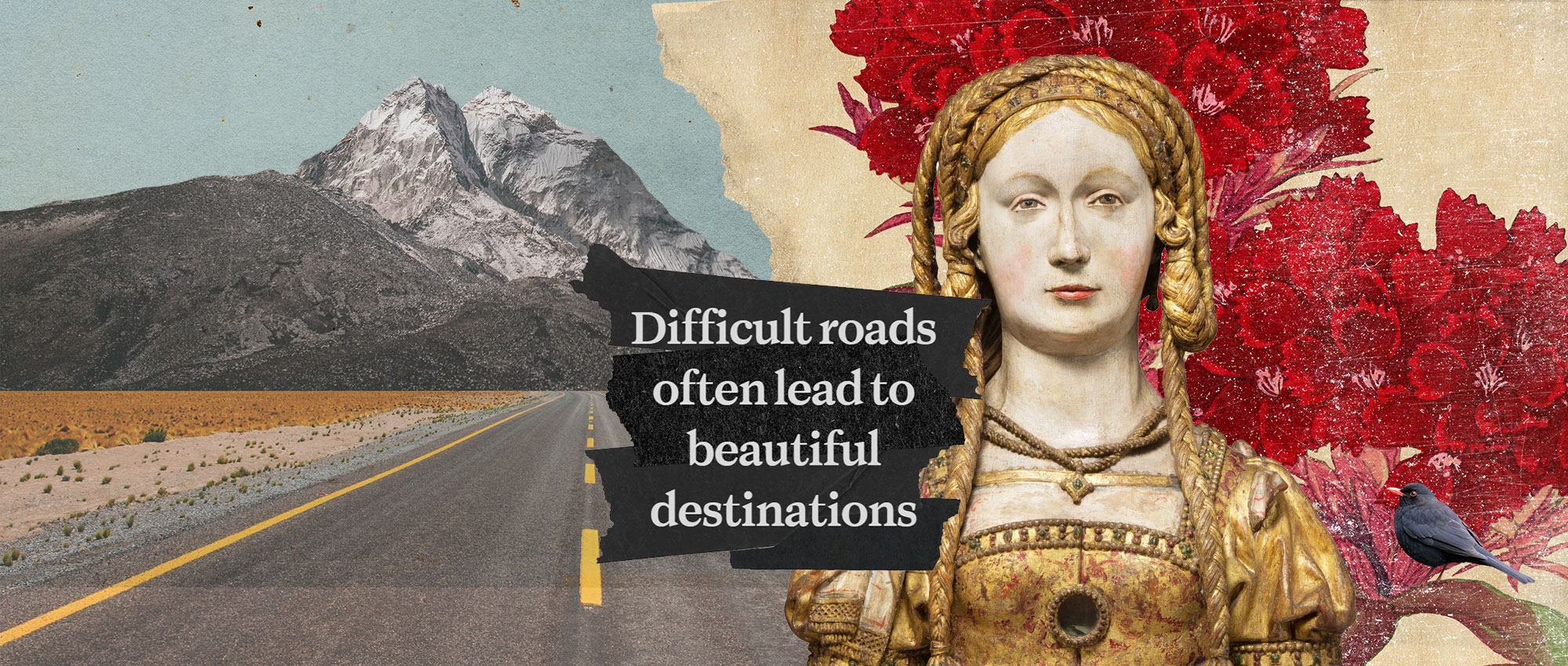
Blackbirds do not wait for perfect light to begin singing.
Neither do we.
Related Posts


There are things people only admit after checking your face.
They watch for the flinch. The raised eyebrow. The quick correction. The look that tells
them they have gone too far.
I survived cancer, but I don’t feel grateful.
I love the person I cared for, and part of me resents what caring for them took from me.
Everyone says I’m strong. I am so tired of being strong.
My life looks fine. I don’t want it anymore.
Something happened to me that I have never said out loud.
People learn early which parts of their stories are acceptable.
Sadness is acceptable, as long as it does not last too long. Anger is acceptable, as long
as it is justified and expressed politely. Grief is acceptable until everyone else is ready
to move on. Survival is celebrated, but only when the survivor is inspirational.
We are much less comfortable with pain that has not cleaned itself up for company.
We want the cancer survivor to ring the bell.
We want the grieving person to find meaning.
We want the exhausted mother to practice gratitude.
We want the betrayed person to forgive.
We want the traumatized person to become proof that terrible things happen for a reason.
Sometimes, terrible things happen.
Sometimes, they change us.
Sometimes, there is no lesson waiting underneath the wreckage. There is only the truth of what it cost.
The pressure to become an inspiring story
Our culture loves a redemption story. We want pain to have a clear beginning, middle
and end. We want someone to emerge from suffering wiser, stronger and more grateful
than before.
That version is easier for everyone else.
It is much harder to sit with someone who says:
I survived, but I lost parts of myself.
I got through it, but I am not the person I was.
The crisis is over, and I still don’t feel safe.
I should be happy. I’m not.
I know something about survival.
I survived cancer twice. I know what it is like to live through what everyone prayed you would survive, only to discover that survival creates its own questions.
What happens after the appointments slow down?
After people stop asking how you are?
After the world congratulates you for getting your life back, but the life you had no longer exists?
Your body may be medically safe while still bracing for the next piece of bad news. A routine scan can feel like a threat. A waiting room can return you to a version of yourself you thought you had left behind. A smell, a sound or a sentence can take you back before you have time to tell yourself that you are fine.
And sometimes the hardest part is that everyone expects you to be fine.
Not every painful feeling needs to be corrected
There are emotions people try to talk themselves out of before they ever speak them.
Jealousy. Rage. Relief after someone dies. Resentment toward a sick partner. Regret about becoming a parent. Grief after a decision you made willingly. The wish to disappear from a life you worked hard to build.
These feelings do not make someone cruel, ungrateful or broken.
They make them honest.
A thought is not a confession of character. A feeling is not a plan. An unwanted reaction does not tell the whole truth about who you are.
Sometimes it tells the truth about what you have endured.
Therapy should not require you to make your pain more presentable. You should not have to protect your therapist from the sharpest parts of your story.
You should not have to rush toward forgiveness, gratitude or a silver lining because other people are uncomfortable with where you are.
I will not drag you toward the light
There is a kind of darkness that comes from despair. But there is also the darkness of soil, midnight, closed eyes and the quiet room where you finally stop pretending.
Darkness is not always where we become lost.
Sometimes it is where we stop performing.
It is where anger finally gets to speak. Where grief is allowed to be ugly. Where the strong person admits they are exhausted. Where the survivor says, “I am alive, but I am not okay.”
I am not afraid of those places.
I will not flinch because your story is complicated. I will not force meaning onto something that still hurts. I will not ask you to forgive someone who has never taken responsibility. I will not turn your survival into an inspirational quote.
We can tell the truth first.
Then we can decide what comes next.
Therapy is not about returning you to the person you were before life changed you. Sometimes that person cannot be recovered. Sometimes you no longer want to recover them.
The work is learning who you are now, what still belongs to you and what you are finally ready to put down.
Not everything needs to be turned into light.
Some things need darkness, quiet and enough safety to become what they are.
Blackbirds do not wait for perfect light to begin singing.
Neither do we.